The world of cybersecurity is loud and busy, with everyone talking at once. Sometimes it’s difficult to know what to believe. Join us as we bust some common cybersecurity myths and help you protect your business.
When it comes to cybersecurity, misconceptions are everywhere. You could practically write a book of cyber fables! Unfortunately, while such a book might make for an entertaining read, it’s all too easy for companies to base their data security policies on these myths, leaving them vulnerable.
It’s really important to be able to separate fact from fiction. So, without further ado, let’s dive into the biggest myths in cybersecurity – and explore why you should take them with a pinch of salt…
5 cyber ‘facts’ you shouldn’t believe
1. Cybercriminals only go after the big fish
It’s easy to think that hackers are only interested in targeting large corporations with deep pockets. After all, they’re the ones with the most to lose, right? Not quite! Smaller organisations often lack robust cyber defences, making them attractive targets for hackers. Without the resources to implement advanced security measures, the ‘little guys’ are easy targets on every hacker’s radar.
2. Phishing emails can be spotted a mile away
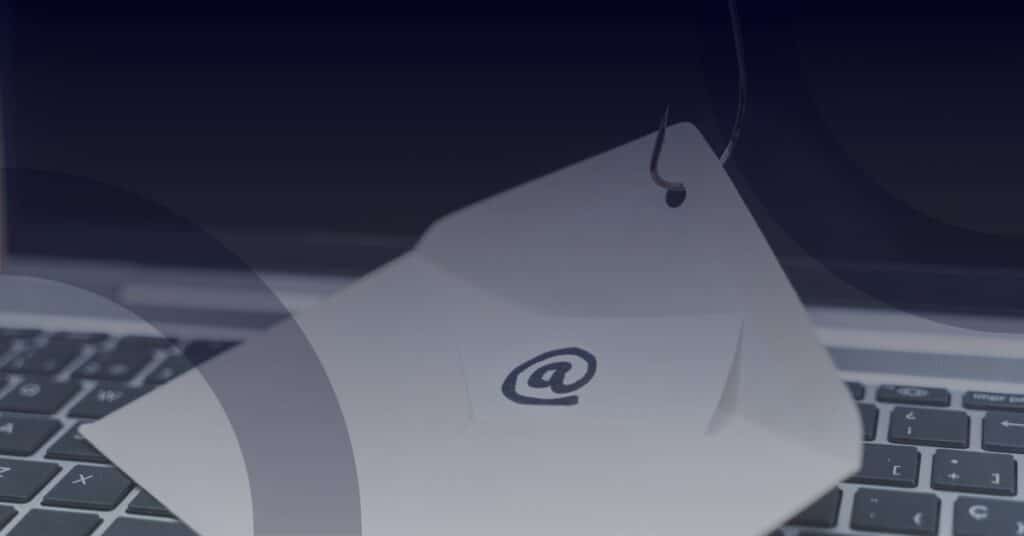
Some phishing emails look like they were crafted by someone who just learned to type, but many are alarmingly convincing. They mimic everything from company logos to writing styles. All it takes is for you to have something else on your mind, and you’ve clicked a link you shouldn’t. That’s why having a second line of defence, like detection software, is crucial. It catches scams even when you can’t.
3. Most companies don’t have data worth stealing
Many associate cybercrime with big financial institutions or massive corporations that hold incredibly valuable data. If you’re running a small shop, you might think you’ve got nothing they want. Wrong! All businesses store sensitive data in one form or another. Even something as simple as a credit card number from a transaction is useful to criminals. Always assume you have something of value.
4. The more employees you have, the safer you are
Lots of people believe that a larger workforce means better security. After all, there are more people to help identify threats, and deal with them quickly. However, it also increases the chances of human error, which is a major cause of cyber incidents today. Plus, it’s important to remember that not all cyber risks come from the outside; some can arise from within the organisation itself….
5. Cybersecurity is time-consuming, complicated, and costly
Let’s be real: It can be all of these things. But it doesn’t have to be! It’s important to remember that the best strategy depends on your specific needs. So while large corporations might invest in pricey tools and dedicated teams, smaller businesses can find budget-friendly solutions that don’t compromise safety. At Reliable, we can help you discover effective solutions tailored to your needs.
Let’s clear the air on cybersecurity
Hopefully, we’ve helped debunk some myths and clarify the reality of cybersecurity for you. For more in-depth insights, check out our Cybersecurity A-Z guide. It’s a factual, straightforward, no-nonsense resource that breaks down the most common cybersecurity terms without any fluff or folklore.
If you’re still feeling a bit puzzled about the myths surrounding cybersecurity, don’t hesitate to reach out. Our team is here to provide honest advice, and support you can trust. Contact us today!